

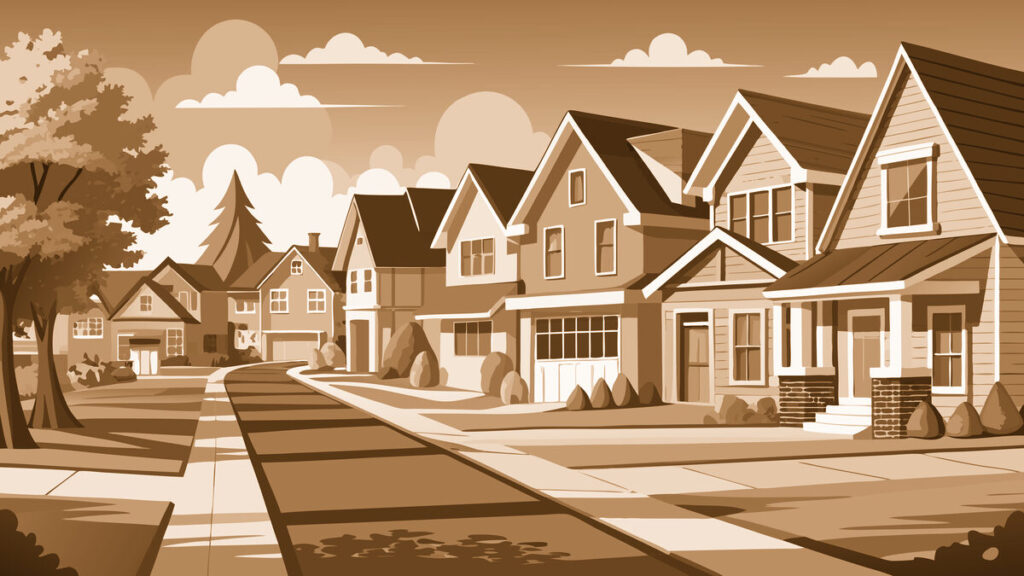
Nestled just minutes from the heart of downtown Rocky Mount lies the Villa Place Historic District, a neighborhood whose streets echo with stories from another era. For generations, Villa Place has been a living canvas of architectural beauty, community spirit, and the evolving narrative of Rocky Mount itself. Walk along the shaded sidewalks of this district, and you might just feel the heartbeat of a town that has effortlessly blended tradition and progress.
Origins: The Birth of Villa Place
Villa Place’s story dates back to the early 20th century, a period when Rocky Mount was rapidly expanding thanks to the tobacco and textile industries. The neighborhood was developed primarily between 1915 and 1950, during a time of economic optimism and suburban growth. Much of the land was once part of large farms on the outskirts of the creeping city limits. Visionary local developers saw an opportunity to create a residential enclave that would attract middle-class families, who were seeking both comfort and community close to the city’s thriving commercial core.
The name "Villa Place" evokes imagery of classic elegance and village-like intimacy. The founders likely chose this designation to distinguish the area as a stylish retreat from the city center, a place where homes and gardens would offer a taste of refined Southern living.
Streets Steeped in Memory
Stretching primarily along Villa Street, with its immediate surroundings including Marigold, Rose, and Sycamore Streets, Villa Place is the kind of neighborhood where each block tells a tale. The layout incorporates broad, welcoming avenues and more intimate residential lanes, lined with mature oaks and maples planted by the area’s earliest gardeners.
Every home has a personality—modest bungalows, stately Colonial Revivals, and classic Craftsman cottages, many adorned with original porches, clapboards, and handcrafted details that harken back to a time when artistry was an integral part of homebuilding.
Historical Milestones: Growth and Change
The period between World War I and World War II was Villa Place’s heyday. During these years, Rocky Mount’s prosperity spurred a building boom, and Villa Place blossomed as one of the city’s most desirable addresses. Its proximity to downtown and the railroad lines—at a time when trains were the lifeblood of Rocky Mount—was a major draw.
Key milestones include:
- The district’s formal establishment in the 1920s, with dedicated city services and planned landscaping.
- Its growth in the 1930s and 1940s, as families moved in to take advantage of Rocky Mount’s economic boom.
- Surviving social and demographic shifts through the latter part of the 20th century, including post-war suburban sprawl, which saw many historic neighborhoods across the country wane as residents moved further out.
Recognizing Villa Place’s unique architectural and historic value, the city of Rocky Mount and preservationists collaborated to secure its status on the National Register of Historic Places in 1999. This crucial designation ensured that the neighborhood’s rich character would be cherished for future generations.
Notable Landmarks and Buildings
Although Villa Place is primarily residential, several landmarks stand out as community touchstones:
- The Villa Place Community Park: Nestled at the heart of the neighborhood, this green haven has played host to family picnics, local baseball games, and countless community events for decades.
- Historic Bungalows and Craftsman Homes: Walk down Villa Street and you’ll find some of Rocky Mount’s finest examples of early 20th-century American architecture. Many feature lovingly restored details like broad porches, original windows, and decorative gables.
- The Old Sycamore Schoolhouse (now a private residence): While no longer a public building, the area’s early 20th-century educational heritage is still visible in its distinctive brick façade.
Nearby institutions—including the historic First Presbyterian Church and the Edgecombe County Memorial Library—are just a pleasant stroll away and have long served the Villa Place community.
Community Spirit and Evolution
Perhaps what makes Villa Place truly special isn’t just its buildings, but its sense of community. Neighbors know each other by name, and it’s not unusual to find block parties, garden tours, or impromptu concerts springing up at the park.
Over the decades, Villa Place has been wonderfully resilient. While surrounding neighborhoods changed rapidly, Villa Place’s residents worked tirelessly to preserve its unique identity:
- Preservation and Restoration: Homeowners have taken extraordinary care in maintaining the architectural integrity of their properties. Many have participated in city-sponsored restoration programs and annual home tours.
- Welcoming New Generations: A new wave of young families and professionals has brought renewed energy to Villa Place. The district is as lively as ever, balancing respect for its heritage with a bright, creative present.
Why Villa Place Endures
Ask any longtime resident what makes Villa Place endure and the answers, though varied, all share a common thread: pride in neighborhood and history. Whether it’s the sight of sunlight dappled through ancient oaks on Villa Street or the distant hum of a train rolling by, Villa Place is more than just a collection of homes—it’s a living link to Rocky Mount’s storied past.
Villa Place Historic District stands as a testament to what can happen when neighbors become stewards of their heritage, and the result is one of Rocky Mount’s most beloved treasures.
Whether you’re a local exploring your own backyard or a visitor seeking a taste of authentic southern charm, Villa Place Historic District offers a timeless welcome—and a sense of continuity that connects yesterday with today.